Published
- 19 min read
Top 10 Kids and Family-Friendly Resorts in Fiji
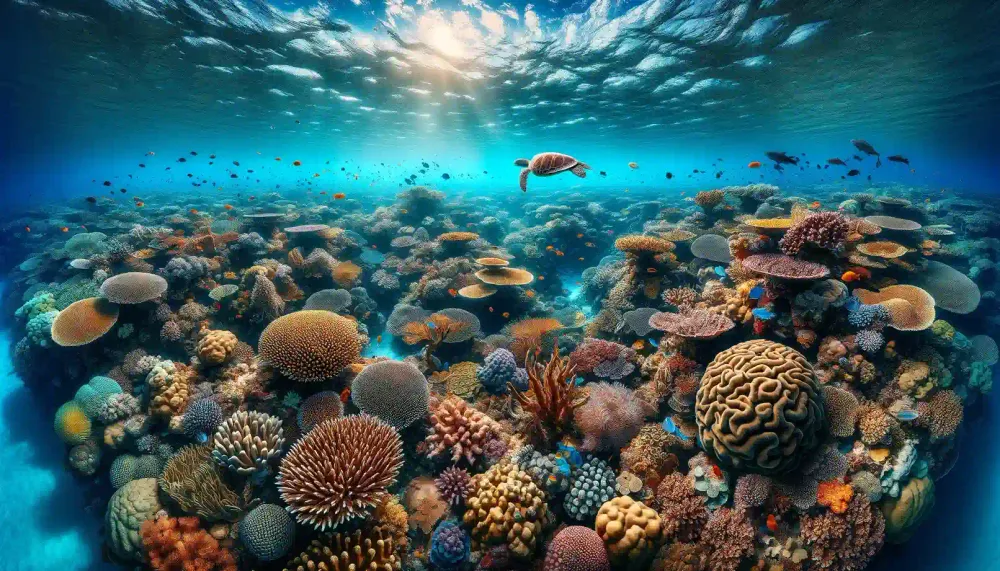
Fiji consistently ranks among the world’s top family holiday destinations, and the reasons go well beyond the obvious. Yes, the water is turquoise and the weather is warm, but what actually makes Fiji work brilliantly for families is a combination of practical advantages that few other destinations can match. Fiji Airways flies direct from Sydney, Brisbane, Melbourne, and Auckland in under four hours — genuinely manageable with young children on board. Once you land, you’re 20 minutes from Denarau Island’s resort strip, and within 90 minutes you’re settled on the Coral Coast. There’s no gruelling transit, no complicated logistics, no twelve-hour layover in a foreign airport with a fractious toddler.
The resorts here have invested seriously in family infrastructure, not as an afterthought but as a genuine product focus. The kids clubs at Fiji’s top properties are staffed by trained educators running structured programmes — Fijian craft sessions, junior snorkelling clinics, environmental science activities, beach games with real prizes. Room configurations are designed around families: interconnecting rooms, family bures, villas with separate children’s areas. Dining is flexible enough to handle fussy eaters alongside parents who want a proper meal. It all adds up to holidays where parents actually relax, not just supervise.
What sets Fiji apart from even its strongest competitors — the Maldives, Bali, Thailand — is something harder to quantify: Fijian culture genuinely loves children. Not in the polite, resort-industry way where children are tolerated as part of the paying guest package, but in the deep, communal way embedded in Fijian society. You’ll see it the moment you arrive: resort staff breaking into spontaneous games with your kids, local people on village tours delighting in the company of young visitors, boat crews teaching children to fish during day cruises. Children don’t just feel welcome in Fiji — they feel celebrated.
Here are the 10 best family-friendly resorts in Fiji:
- InterContinental Fiji Golf Resort & Spa — Natadola, Coral Coast
- Outrigger Fiji Beach Resort — Sigatoka, Coral Coast
- Westin Denarau Island Resort & Spa — Denarau Island
- Sheraton Fiji Golf & Beach Resort — Denarau Island
- The Naviti Resort — Coral Coast
- Fiji Hideaway Resort & Spa — Coral Coast
- Shangri-La Yanuca Island Fiji — Yanuca Island, Coral Coast
- Castaway Island Resort — Mamanuca Islands
- Mana Island Resort & Spa — Mamanuca Islands
- Jean-Michel Cousteau Resort — Savusavu, Vanua Levu
1. InterContinental Fiji Golf Resort & Spa
The InterContinental sits on Natadola Bay, which gives it something few resorts anywhere in the Pacific can claim: one of the finest family beaches in the Southern Hemisphere. Natadola Beach is long, wide, gently sloping, and calm on the sheltered side — children can wade in knee-deep for 30 metres in crystal-clear water with virtually no wave action. Parents can sit on the sand and actually see their kids rather than watching them disappear into surf.
The resort itself is vast — 443 rooms and suites plus hillside villas — which means the activity infrastructure is correspondingly large. The Bula Club kids programme runs daily activities for ages 4–12, including Fijian weaving workshops, coconut husking races, beach Olympics, and snorkelling lessons in the resort’s calm lagoon. There are dedicated family pool areas with water features alongside the quieter adult pools.
Room configurations include family suites and interconnecting rooms designed specifically for families travelling with children of different ages. For teenagers, there’s a 9-hole golf course, multiple water sports (kayaking, paddleboarding, snorkelling gear provided), and a full activity schedule that extends into the evenings. The restaurants offer flexible dining hours and children’s menus with genuinely decent options. This is 5-star luxury delivered without the stiffness — staff are warm, approachable, and exceptionally good with children.
Price level: $$$$
2. Outrigger Fiji Beach Resort
The Outrigger has accumulated more family-focused accolades than almost any other resort on the Coral Coast, and it earns them through consistent execution rather than flashy marketing. The Bula Club is one of the standout kids’ programmes in Fiji — structured, educationally grounded, and genuinely engaging for children aged 4–12. Activities include traditional Fijian arts and crafts, junior cooking classes using local ingredients, nature hikes, beach games, and storytelling sessions drawing on Fijian mythology and oral tradition.
The beachfront setting is beautiful and the property includes multiple pool areas, with a dedicated family pool featuring a zero-depth entry section ideal for toddlers. The beach itself is calm and well-supervised. For older children and teens, there’s snorkelling directly from the beach over a decent reef, kayaking, paddleboarding, and a range of guided activities available through the dive centre.
Dining is a genuine strength here: the resort has multiple restaurants ranging from casual beachside to à la carte, with the flexibility that families need — early sittings, proper children’s menus, and staff who handle the occasional mealtime chaos with good humour. The spa (Bebe Spa) is frequently rated among the best in the Pacific for those evenings when the kids’ club gives parents a genuine break. At 252 rooms and suites, the Outrigger is large enough to offer variety but managed well enough to feel personal.
Price level: $$$–$$$$
3. Westin Denarau Island Resort & Spa
The Westin’s location on Denarau Island is its most practical asset for families. Port Denarau Marina is a short walk away, meaning the full range of Mamanuca Island day cruises — to South Sea Island, Tivua Island, Castaway, Cloud 9, and more — departs right on your doorstep. Nadi town, with its markets, the Sri Siva Subramaniya Temple, and shopping at Tappoo City, is 20 minutes by taxi. The airport is 25 minutes away, making the arrival and departure experience far less stressful than it would be from a more remote property.
The resort itself has a well-run kids’ club with a structured programme including supervised pool time, Fijian craft activities, and beach games. The large pool complex is the social heart of the property, with water features and a designated children’s area. Family suites provide proper sleeping separation for children and adults — a detail that matters considerably by night four of a holiday.
For parents, the Heavenly Spa delivers genuine quality, and the Heineken House bar operates into the evening once children are settled. Dining spans multiple options including the Porch restaurant and pool bar — flexible enough for families who eat at different times. The Westin is consistently reliable in a way that matters when you’re travelling with children: everything works, staff are well-trained, and the experience is polished without feeling impersonal.
Price level: $$$–$$$$
4. Sheraton Fiji Golf & Beach Resort
The Sheraton sits adjacent to the Westin on Denarau Island, and the two properties share certain facilities as part of the same Marriott-managed complex — meaning guests at either effectively have access to one of the largest resort compounds in Fiji. For families, this translates to an exceptional range of pools, dining options, beach access, and activity programmes spread across a well-maintained beachfront property.
The Sheraton’s kids’ club runs daily programming for children aged 4–12, with activities including Fijian language lessons (always a hit with children who love showing off “Bula!” to everyone they meet), craft workshops, environmental awareness sessions, and supervised swimming. The resort has a good golf course — useful for parents who want a few hours on their own — and the beach is calm and suitable for children of all ages.
Room configurations at the Sheraton include family rooms and suites with connecting options. Multiple dining venues means flexibility is built in: breakfast buffets that children genuinely enjoy, pool-side casual options for lunch, and more formal dining for parents in the evening. The shared Denarau Island location also means easy access to the Sheraton’s sister properties and a greater variety of evening entertainment options. For families who want scale, infrastructure, and reliability, the Sheraton delivers.
Price level: $$$–$$$$
5. The Naviti Resort
The Naviti is one of the most consistent value-for-family options on the entire Coral Coast. The 38-acre beachfront property on the Coral Coast gives it room to breathe — there are multiple pools, extensive gardens for children to roam, a proper beach, and enough space that the resort never feels crowded even at capacity. For families who want a genuine Fiji experience without spending at the ultra-luxury level, the Naviti hits the mark.
The kids’ club runs structured activities throughout the day including beach games, craft sessions, and supervised pool time. The outdoor pools include a swim-up bar section for parents (a configuration that becomes extremely popular by day two of most family holidays). Nukunuku Restaurant’s buffet dining is a particular strength — the variety works brilliantly for families with children of different ages and appetites, and the quality is well above average for buffet-format dining.
Accommodation runs to 220 rooms and suites with private balconies, and family configurations are available to keep everyone together without adults and children sharing a single space. The resort’s water sports programme includes kayaking, snorkelling, and paddleboarding — good introductory options for children trying these activities for the first time. Village tours and cultural activities are organised regularly, giving families easy access to genuine Fijian community life without needing to arrange private excursions independently.
Price level: $$–$$$
6. Fiji Hideaway Resort & Spa
The Fiji Hideaway is more boutique than the larger Coral Coast properties, and that smaller scale is exactly what makes it appealing for certain families. With 115 bures spread across a well-maintained beachfront property, the resort has a genuine community feel — you’ll see the same staff every day, children quickly become comfortable exploring the gardens independently, and the pace is noticeably relaxed compared to the larger complexes.
The house reef is one of the resort’s strongest family assets. Good snorkelling accessible directly from the beach means that children who’ve mastered the basics can spend hours in the water independently, and the reef is shallow and calm enough for beginners with a staff member guiding them. Snorkelling gear is available for hire. Bure accommodations come with outdoor space — a verandah or private garden area — which matters significantly when you’re travelling with younger children who need room to run around without disturbing other guests.
The cultural programme at Fiji Hideaway is genuinely strong for a property of this size. Village visits to the local community, traditional kava ceremonies, weaving demonstrations, and meke performances are all available and well-organised. For families who want their children to come away from Fiji with a real understanding of Fijian life rather than just resort memories, this is a compelling option. Dining includes a good buffet breakfast and à la carte dinner menus with children’s options.
Price level: $$–$$$
7. Shangri-La Yanuca Island Fiji
The Shangri-La occupies its own island — Yanuca Island — connected to the Coral Coast mainland by a short causeway. That island-within-an-island geography adds immeasurably to the family experience: children feel the thrill of being on a proper island without the logistical complexity and cost of a remote island transfer. It’s accessible and dramatic at the same time, which is an unusual combination.
At 443 rooms and suites, the Shangri-La is one of Fiji’s largest resorts, and the activity infrastructure reflects that scale. Multiple pools — including dedicated family pool areas — a long beachfront, and an activity centre offering snorkelling, kayaking, paddleboarding, glass-bottom boat tours, and cultural experiences mean there’s genuinely no shortage of things to do for children of any age. The kids’ club programme is well-staffed and runs daily activities from mid-morning through early evening, giving parents meaningful time off.
Dining spans multiple venues and price points: casual pool and beach options alongside more formal restaurants, with flexibility built into the dining structure that families appreciate. Room configurations include family rooms and suites with proper separation. The Shangri-La’s consistent service standards — the brand delivers reliably across all its properties worldwide — mean that the small operational details that derail family holidays (slow room service, inconsistent air conditioning, poor children’s menus) tend to be well managed.
Price level: $$$$
8. Castaway Island Resort
Castaway Island is 45 minutes by catamaran from Port Denarau, and that journey is part of the experience — children who’ve never been on a catamaran crossing open water with coral islands appearing on the horizon will remember it long after they’ve forgotten which pool they swam in. The resort occupies a genuinely private island in the Mamanuca group, with a calm lagoon on one side that is outstanding for children: shallow, clear, warm, and teeming with fish visible without even putting your face in the water.
At manageable size — well under 100 bures — Castaway has a scale that works particularly well for families with younger children. It’s not overwhelming, the children’s club staff know guests by name within a day or two, and the sense of a self-contained island community develops quickly. Kids activities include snorkelling lessons, sandcastle competitions, Fijian craft sessions, beach games, and for older children, introductory dive experiences in the calm lagoon.
The resort’s lack of day-tripper crowds (unlike some more accessible islands) means the beach and snorkelling areas stay relatively quiet. Dining is resort-based by necessity — you’re on an island — but the kitchen handles family dining well with flexible mealtimes and children’s menu options. For families who want the genuine private-island experience without committing to the cost and complexity of remote locations like the northern Yasawas, Castaway is probably the best-value option in Fiji.
Price level: $$$–$$$$
9. Mana Island Resort & Spa
Mana Island is one of the larger islands in the Mamanuca group, which gives it something most of its neighbours can’t offer: two distinct beaches facing different directions, a decent house reef on both sides, and enough land mass to accommodate a properly diverse range of activities. For families who want the Mamanuca island experience but feel cautious about smaller, more remote options, Mana is the reassuring choice — accessible, well-equipped, and genuinely good for children.
The snorkelling directly from Mana’s beaches is among the best of any resort island in the Mamanucas. The reef is healthy and the shallow sections are perfect for children learning to snorkel for the first time. The resort’s dive operation also runs introductory dives for older children and adults in the protected lagoon. Kids’ programming covers the standard range of beach activities, craft sessions, and cultural experiences, with staff who are notably patient with younger children.
Accommodation at Mana spans a range of categories — from garden-view rooms through to beachfront bures — making it one of the more price-accessible Mamanuca island resorts while still delivering a quality experience. This range also means it works for extended families or groups travelling at different budget levels who want to stay on the same island. Dining is resort-based with a relaxed, informal approach to mealtimes that families find comfortable, especially compared to more formal properties.
Price level: $$–$$$
10. Jean-Michel Cousteau Resort
Jean-Michel Cousteau Resort occupies a category entirely its own on this list. Located near Savusavu on Vanua Levu — Fiji’s second-largest island, a short flight from Nadi — it is the only resort in Fiji that has built its entire identity around environmental and marine education. The property carries the name and direct involvement of Jean-Michel Cousteau, son of legendary ocean explorer Jacques Cousteau, and the commitment to ocean literacy runs through every aspect of the guest experience.
The Bula Club here is famous for a reason. Children aged 5–15 work with dedicated marine biologists and educators throughout their stay — learning to identify coral species and reef fish, understanding the mechanics of ocean ecosystems, and for older children, completing junior scuba certification in the resort’s calm lagoon. These aren’t one-hour sessions with a pamphlet; they’re multi-day programmes designed to genuinely change how a child understands the natural world. Many families who’ve stayed report that their children came home talking about marine biology for months afterwards.
The resort itself is small, intimate, and beautifully designed — 25 private bures set in lush gardens above the beach, with exceptional food and service. The price reflects the premium positioning and the extraordinary programme on offer. For families with curious, intellectually engaged children — particularly those aged 8 and older — this is a genuinely transformative option. It’s not a resort you visit for a pool and a suntan; it’s a resort you visit because you want your family to come away changed.
Price level: $$$$$
Final Thoughts
Choosing the right family resort in Fiji comes down to a handful of honest questions. How old are your children, and what do they actually enjoy — structured activities or freedom to explore? Do you want a large, well-equipped resort where everything is on-site, or a smaller, more intimate property where the community feel matters more? Is the island experience — that genuine sense of being somewhere remote and special — important to you, or is proximity to Nadi and day-trip options a higher priority?
The Coral Coast resorts — the InterContinental, Outrigger, Shangri-La, Naviti, and Fiji Hideaway — offer the most practical base for first-time visitors, with excellent infrastructure, manageable transfers, and easy access to Viti Levu’s activities. The Denarau properties (Westin, Sheraton) suit families who want maximum day-trip flexibility. The Mamanuca islands (Castaway, Mana) deliver the private-island experience without excessive complexity. And Jean-Michel Cousteau Resort stands apart entirely as an educational destination for families who want more than a holiday.
Whatever your choice, the constant across all of these properties is the quality of the Fijian welcome. The warmth is genuine, the staffs are exceptional with children, and the sense of community and safety that Fiji’s resort culture delivers makes the practical work of travelling with young ones noticeably easier. Fiji is not simply a destination that accommodates families — it’s a destination that seems designed for them.
Frequently Asked Questions
What age is too young to visit Fiji?
There is no meaningful lower age limit for visiting Fiji. Infants and toddlers travel to Fiji regularly, and most family resorts are well-equipped with cots, high chairs, babysitting services, and dedicated shallow pool areas. The main practical considerations for very young children are the flight duration (3–4 hours from Australia and New Zealand, manageable with some preparation), the tropical heat (keep young children out of direct midday sun and well hydrated), and sun protection. The Coral Coast and Denarau resorts are particularly well set up for families with infants, with calm lagoons and excellent on-site medical facilities nearby.
Do Fiji resorts charge for kids clubs?
Policies vary by property and are worth confirming at booking. Some resorts — including several on this list — include kids club access in the room rate or offer it complimentary during certain programme hours. Others charge a daily or half-day fee, typically ranging from FJ$20–$60 per child depending on the session length and activities included. Evening babysitting services are almost always charged separately. The most straightforward approach is to confirm the exact policy directly with your chosen resort before you travel, as inclusions change and promotional periods sometimes include complimentary kids club access.
Are Fijian lagoons safe for children to swim in?
The lagoons around Fiji’s main family resort areas — particularly Natadola Beach, the Coral Coast resorts, and the Mamanuca Islands — are generally very safe for children. The reef structure creates calm, sheltered lagoon water with minimal wave action and no rip currents in the main swimming areas. That said, ocean conditions do vary, and it’s always worth checking with resort staff about current conditions, particularly after periods of strong wind or rain. Ensure younger children wear UV-protective swimwear, apply reef-safe sunscreen frequently, and are supervised at all times in the water. Jellyfish can occasionally be present — if in doubt, ask resort staff before swimming.
Which Fiji resort is best for children under five?
For very young children, the key factors are: calm, shallow water; flexible and early dining options; proximity to medical facilities; and staff who are experienced with toddlers. On this basis, the InterContinental Fiji at Natadola stands out — the beach is uniquely calm and shallow, the resort infrastructure is excellent, and it has the resources to handle anything that comes up. The Westin Denarau is also a strong option for families with toddlers: the location means medical facilities are accessible quickly if needed, and the resort’s family room configurations are among the best on Denarau Island.
How far in advance should I book a family resort in Fiji?
Fiji’s peak family travel periods align with Australian and New Zealand school holidays — particularly July (Queensland winter break), September–October (term three break), and December–January (the long summer holiday). During these windows, the best family rooms at the top resorts book out several months in advance. As a general rule, booking 3–6 months ahead is sensible for school holiday periods, and 4–8 weeks ahead is usually sufficient for travel outside those windows. Jean-Michel Cousteau Resort is the exception — given its small size and specialised offering, it books well ahead year-round and early planning (6+ months) is strongly recommended.
Can teenagers enjoy Fiji resorts, or is it better suited to younger children?
Fiji works exceptionally well for teenagers, though the experience is different from what younger children enjoy. For teenagers, the compelling activities are in the water: learning to scuba dive (Open Water certification courses are available at most resort dive centres from age 12 upward), advanced snorkelling over deeper reef sections, kayaking, paddleboarding, and for the more adventurous, surfing lessons at breaks like Frigates Passage. On land, ziplining through the highlands near Nadi, ATV adventures, and cultural village experiences tend to engage teenagers who find purely resort-based holidays repetitive. Jean-Michel Cousteau Resort is particularly worth considering for scientifically curious teenagers, given the depth of its marine biology programme.
Is Jean-Michel Cousteau Resort worth the premium for families?
For the right family, absolutely — and that caveat matters. If your children are curious, engaged learners (particularly in science or nature), aged roughly 8 and older, and your family values experiential education as a holiday priority, Jean-Michel Cousteau delivers something no other resort in the Pacific offers. The marine biology programme is genuinely excellent, the setting on Vanua Levu is beautiful and uncrowded, and the small, intimate property means children are known individually by staff and educators throughout the stay. If, on the other hand, your priority is beach time, pools, and a large resort’s activity menu, other options on this list will serve you better at lower cost. It is not the right choice for families primarily seeking a classic beach holiday — it’s the right choice for families who want their children to be genuinely educated by their holiday.
By: Sarika Nand