Published
- 19 min read
15 Budget-Friendly Things To Do In Fiji
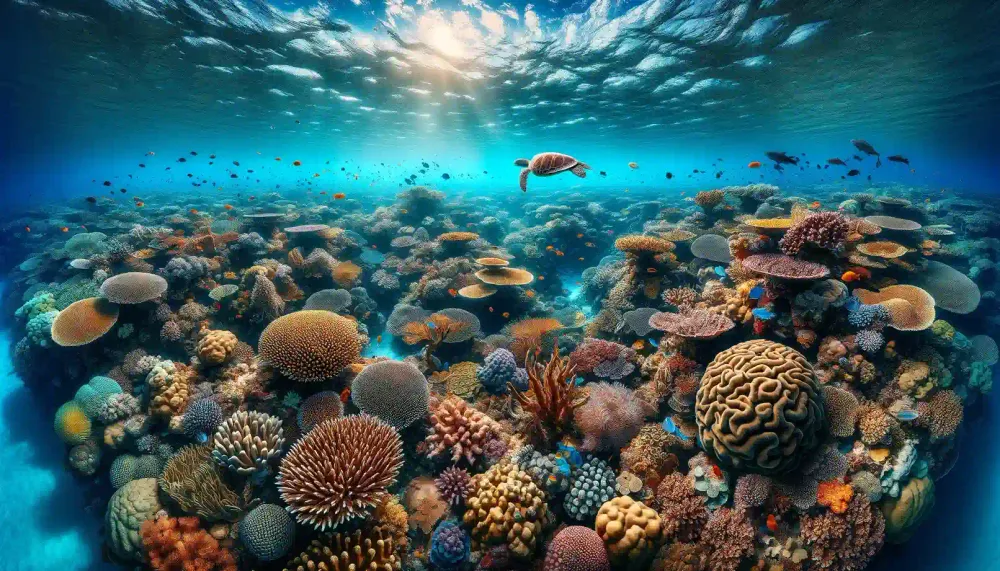
Scroll through a Fiji brochure and the message is hard to miss: overwater villas, champagne at sunset, spa treatments on a private deck overlooking a lagoon that belongs to you alone for the week. It’s beautiful, no question. It’s also priced to match. If that’s the Fiji you’ve seen, it’s understandable to write the whole destination off as out of reach.
But that version of Fiji is only one version — and it’s not the one most Fijians actually live in. Beneath the resort economy, there’s a whole other country that moves at the pace of local buses, smells like fresh roti from a curry house kitchen, and invites you to sit cross-legged on a woven mat and share a bowl of kava with the village chief. That Fiji costs almost nothing to access. It just takes a bit of knowing where to look.
This guide is for travellers working with a daily budget of around F$80–100 per day (roughly US$36–45 or AUD$56–70) once accommodation is sorted — and accommodation itself is far more affordable than you’d expect, with solid backpacker bures in the Yasawa Islands starting from F$80–90/night including meals. The 15 activities below range from completely free to a maximum of around F$90 for a full-day adventure. None of them will feel like a compromise.
Here Are the 15 Budget-Friendly Things To Do In Fiji
- Ride a Local Bus
- Visit Sigatoka Sand Dunes National Park
- Swim at Natadola Beach
- Explore Suva’s Markets and Museum
- Eat at a Local Curry House
- Attend a Kava Ceremony (Sevusevu)
- Snorkel at a Beachside House Reef
- Visit a Village
- Walk the Colo-i-Suva Forest Park
- Take the Yasawa Flyer Ferry
- Watch the Sunset at Denarau Marina
- Join a Meke (Cultural Dance Show)
- Buy Fresh Coconut at a Roadside Stall
- Hike to Koroyanitu National Heritage Park
- Swim at Saweni Beach near Lautoka
1. Ride a Local Bus
Cost: F$2–4 per trip (Nadi to Suva express: ~F$12)
The yellow buses of Fiji are an institution. They rattle and lurch along the Queens Highway and Kings Highway, crammed with schoolchildren, market bags, the occasional bunch of bananas, and anyone else who needs to get from A to B without the airfare. Air conditioning is not a concept that concerns them — the windows do the work. They are not fast. They are not always on time. They are, however, one of the most genuine windows into everyday Fijian life that any traveller will find.
The network covers the whole of Viti Levu remarkably well. From Nadi bus station you can reach Sigatoka, Lautoka, Pacific Harbour, and Suva. Local runs cost F$2–4 depending on distance, and the express service to Suva — a journey of about 3.5 hours along the Queens Road — costs around F$12. That’s roughly AUD$8.40 to cross the main island of Fiji. Sit on the left side heading to Suva for ocean views along the Coral Coast. Go with nowhere pressing to be, talk to the person next to you, and enjoy every moment of it.
2. Visit Sigatoka Sand Dunes National Park
Cost: F$5 entry
Fiji’s first national park is not what most people imagine when they picture this country. There are no palm trees and lagoons here — instead, 650 hectares of sweeping coastal dunes rise dramatically from the beach, shaped by wind and time into a landscape that looks more Saharan than South Pacific. The effect is genuinely striking, particularly at golden hour when the light catches the ridgelines.
The dunes have real archaeological significance. Lapita pottery fragments dating back over 3,000 years have been unearthed here, offering some of the earliest evidence of human settlement in Fiji. A 2–3 hour walk takes you through the dunes and along the coastal scrub, with good birdwatching and sweeping ocean views as your reward. The entrance fee of F$5 is one of the best-value investments in any Fiji itinerary. From Nadi, take a local bus towards Sigatoka (about F$3–4) and ask to be dropped at the dunes turnoff. Easy half-day from the Coral Coast too.
3. Swim at Natadola Beach
Cost: Free
By general agreement among those who’ve spent time on Viti Levu, Natadola is the finest beach on the main island. The sand is broad and brilliantly white, the lagoon is calm and clear, and the reef at the southern end offers decent snorkelling without the need to get on a boat. Horses are led along the beach by local operators (rides from around F$20 if you’re tempted), and there’s usually a food stall or two nearby selling grilled corn and fresh coconut.
Crucially — and this matters — the beach is publicly accessible with no resort fee or day-pass charge. You are not a guest of the Intercontinental that looms nearby. You are simply a person on a beautiful beach, which is exactly the right way to be. Get there by local bus from Sigatoka (F$1–2 from the town) or catch the bus from Nadi and tell the driver where you’re headed. Bring your own snorkel if you have one, plenty of water, and a towel. No other expenditure required.
4. Explore Suva’s Markets and Museum
Cost: Market is free; Fiji Museum entry F$10
Suva is Fiji’s capital and, frankly, one of the most underrated cities in the Pacific — a proper, functioning urban centre with architecture, energy, and a depth of cultural life that resort Fiji never shows you. A full day here can cost almost nothing if you use your feet.
Start at the Suva Municipal Market, one of the great covered markets of the Pacific. Stalls overflow with yaqona (kava root), dalo (taro), fresh tropical fruit, handwoven baskets, and bolts of local fabric. The noise, the colour, and the smell of the place is extraordinary. Then walk through Thurston Gardens to the Fiji Museum, which is small but genuinely excellent — the Pacific collections include the stern post from HMS Bounty, the cannibal stones of Ratu Udre Udre, and detailed exhibits on Lapita culture and colonial history. At F$10 entry it’s arguably the best-value cultural experience in Fiji. Round out the day with a cheap curry lunch (see below) and a wander past the Grand Pacific Hotel and the parliament buildings.
5. Eat at a Local Curry House
Cost: F$5–8 for a full meal
This is where budget travel in Fiji quietly becomes wonderful. Indo-Fijian curry restaurants — small, busy, no-frills places with laminated menus and formica tables — are scattered throughout Nadi, Lautoka, Sigatoka, and Suva, and they serve some of the most satisfying food you’ll eat in the entire country. Enormous portions of fragrant curry ladled over rice, with roti, dhal, and fresh pickle on the side, for F$5–8 a plate.
This is not tourist food. These are the restaurants where local tradespeople, market vendors, and office workers eat lunch every single day. The cooking is direct and confident, the portions are absurd, and the price point is so low it feels like an error. For context, a similar meal at a resort restaurant might cost F$45–65 and be less interesting. In Nadi, try the streets around the main market; in Suva, the area around Cumming Street has several good options. Go at lunch when the food is freshest and the rice hasn’t been sitting. Bring your appetite and not much else.
6. Attend a Kava Ceremony (Sevusevu)
Cost: F$10–15 for a bundle of dried kava root
The sevusevu — the formal presentation of kava (yaqona) to a village chief or host — is one of the most important cultural protocols in Fijian life. It is also your single most effective tool for unlocking Fijian hospitality. This small gift of dried kava root, presented with a few words of respect, signals that you are a guest who has come in good faith. What follows — the shared bowl, the conversation, the warmth — cannot be purchased in any other way.
Do not skip this to save a few dollars. At F$10–15 for a bundle from any market, it is the cheapest and most meaningful thing you will spend money on in Fiji. If you’re staying at a locally-run guesthouse in the Yasawas or visiting a village as part of your time on the main island, your host will guide you through the protocol — what to say, how to hold the tanoa (the kava bowl), when to clap. The kava itself is bitter, earthy, and mildly numbing, and sharing it is an act of genuine cultural connection. Don’t pass it up.
7. Snorkel at a Beachside House Reef
Cost: Free–F$10/day for gear hire
One of the quiet miracles of staying at a budget property in the Yasawa or Mamanuca islands is that the reef is frequently right there — off the jetty, in front of the beach, accessible to any guest who walks into the water. You don’t need to book a snorkel tour. You don’t need to get on a boat. You just need a mask and fins.
Many backpacker bures rent snorkel gear for F$5–10 per day, or you can bring your own — a compact travel snorkel set is one of the best investments a Fiji-bound budget traveller can make. The quality of the snorkelling depends on the property and the reef’s condition, but in the Yasawas in particular, house reefs can be genuinely spectacular: brain coral, staghorn, schools of parrotfish and surgeonfish, the occasional reef shark or sea turtle at the edge of the drop-off. All of this for the cost of your accommodation, which you were paying anyway. If you’re on Viti Levu, the reef at Natadola’s southern end and several spots along the Coral Coast offer similar access without a ferry ticket.
8. Visit a Village
Cost: F$10–20 for guided visits; often free with village-based guesthouses
Commercial village tours in Fiji — the kind that arrive in air-conditioned minibuses, spend 45 minutes, and leave — can cost F$80–150 and feel transactional in both directions. That’s not the kind of village visit worth paying for. The good news is that the better kind costs very little, or nothing at all.
If you stay at a locally-run guesthouse in the Yasawa Islands — and there are many, mostly family-operated, mostly excellent — village access and cultural interaction are typically woven into the experience. You’ll meet the matriarch who runs the kitchen, attend the morning prayers if you’re up early enough, and watch village life carry on around you in a way no scheduled tour can replicate. For those on the main island, a number of community tourism initiatives around Pacific Harbour and the highlands offer guided visits for F$10–20, with your sevusevu covering the cultural protocol. The money goes directly to the village. That’s community tourism working the way it’s supposed to.
9. Walk the Colo-i-Suva Forest Park
Cost: F$10 entry
Fifteen minutes from the centre of Suva by local bus (F$1) lies one of the most underrated natural attractions in all of Fiji. Colo-i-Suva Forest Park is a tract of genuine tropical rainforest threaded through with trails, swimming holes, natural pools fed by cool mountain streams, and a birdlife roster that includes the orange dove, the silktail, and various endemic pigeons.
The main loop trail takes 1–2 hours at a comfortable pace, and there are longer routes for those who want a more serious half-day out. The swimming holes are the highlight — emerald green, shaded by overhanging vegetation, cool enough to be genuinely refreshing after the humidity of the forest trail. It costs F$10 to enter, which goes toward park maintenance and the local community. At that price for a full morning of rainforest, waterfalls, and swimming, it’s hard to find better value anywhere in the country. From Suva, take any Sawani-bound bus and ask for Colo-i-Suva — the driver will know it.
10. Take the Yasawa Flyer Ferry
Cost: From F$90 one way to the northern Yasawas
The Yasawa Flyer is not just transport — it’s a journey in its own right. South Sea Cruises’ fast ferry departs Port Denarau every morning and works its way up the Yasawa island chain, dropping passengers at resorts and villages along the way before turning around and doing the same in reverse. The full run to the northern end takes around 4.5 hours, and every hour of it is spectacular.
For budget travellers, the Bula Pass (a hop-on-hop-off ticket) is the key to affordable island-hopping. You buy a pass for a set number of days, get on and off at whichever islands appeal, and pay only for your accommodation once you arrive — bures in the Yasawas start from around F$80–100/night including meals. One-way fares to mid-chain islands run from around F$90; the full run to Yasawa Island at the northern tip is around F$140. Compared to a charter flight, it’s extraordinarily good value. Book your pass in advance at the Port Denarau ferry terminal or online through South Sea Cruises.
11. Watch the Sunset at Denarau Marina
Cost: Free
Port Denarau is a working marina and the departure point for virtually every island ferry and day cruise in western Fiji. It’s also, and this is easy to overlook, one of the best free sunset vantage points on the main island. The marina faces west directly across the Mamanuca Islands, and on clear evenings the light turns the whole skyline apricot and gold, with the silhouettes of Malolo and Mana on the horizon.
There’s no resort fee, no sunset cocktail minimum, no velvet rope. You can pick up a cold Fiji Bitter from a nearby bottle shop for around F$3–4 and sit on the dock and watch the light change for free. If you’re at Port Denarau waiting for a morning ferry and find yourself with an evening free, this is exactly where you should be. There are also several casual dining options around the marina for affordable fish and chips or takeaway if you want to make an evening of it without breaking anything.
12. Join a Meke (Cultural Dance Show)
Cost: Free at many village-based guesthouses and some budget resorts
The meke is Fiji’s traditional form of storytelling through movement — song, dance, and performance woven together to recount history, celebrate the land, and honour guests. Resort meke shows vary considerably in quality and authenticity; some are polished but feel staged, others are genuinely moving. Village mekes, particularly those held as part of a community celebration or in conjunction with a sevusevu welcome, are almost always the real thing.
If you’re staying at a village guesthouse in the Yasawas or a community-run lodge on Viti Levu, a meke performance is often included in your accommodation as part of the cultural experience offered to guests. At budget resorts along the Coral Coast and in the Mamanucas, meke nights happen weekly — check with your accommodation. Fire dancing often accompanies the performance, with the lovo (earth oven feast) timed to coincide. Watch how the older performers move — there is decades of knowledge in those gestures. The meke is not a tourist attraction that happens to involve Fijians. It is Fijian culture that happens to welcome guests.
13. Buy Fresh Coconut at a Roadside Stall
Cost: F$1–2
This one is small, but it matters. Along almost every main road on Viti Levu — outside markets, beside bus stops, at the entrance to villages — you’ll find a person with a machete and a pile of green coconuts. Hand over F$1–2 and they’ll husk it on the spot with the kind of efficiency that takes years of practice, chop the top off, and hand it back to you with a straw.
Drink the water first — cool, slightly sweet, lightly mineral, and the most effective hydration in the tropics. Then hand it back and they’ll crack it open further and cut you a husk shard to use as a spoon to scoop out the soft, jelly-like young flesh from the inside. The whole operation takes about two minutes and costs roughly AUD$1. It is, by some distance, the most authentic F$2 you will spend in Fiji. It is also completely delicious. Make a habit of stopping whenever you see a coconut stall. Your body will thank you, particularly after a morning at the beach or a bus ride in the heat.
14. Hike to Koroyanitu National Heritage Park
Cost: F$15–20 village fee, F$20–30 for an optional guide; total full day ~F$50–60 including bus
The Koroyanitu National Heritage Park sits in the mountains above Lautoka, and the hike through it — led from Abaca village — is one of the genuinely great outdoor experiences in Fiji that most visitors never find. The centrepiece is the Savu-i-One waterfall, which drops 70 metres through dense montane forest into a pool at the bottom that invites an extended swim.
To do it properly: take a local bus from Lautoka to Abaca village (F$2–3), where you present your sevusevu to the village chief and pay the park entry fee of F$15–20. Village guides are available for F$20–30 extra and are well worth it — they know the trail, the birds, and the plants, and the money goes directly to the community. The hike to the waterfall takes about 1.5–2 hours each way through impressive forest. Wear proper shoes, bring lunch and plenty of water, and start early to avoid the midday heat. A full day out, including transport from Lautoka, comes to well under F$60 — and the waterfall is extraordinary.
15. Swim at Saweni Beach near Lautoka
Cost: Free
Lautoka is Fiji’s second city — the “Sugar City” — and it’s almost entirely overlooked by tourism. That oversight works in your favour. Saweni Beach, a short local bus ride from the city centre, is one of the north side’s best accessible beaches: good sand, calm conditions, and decent snorkelling on the reef, with none of the crowds that gather at Natadola on a busy day.
The beach itself is free, and Lautoka is worth a wander in its own right. The city has genuine urban character — the old colonial architecture, the busy town market, Govind Park, the sugar mill that still defines the local economy. Eat lunch at one of the town’s curry houses (F$5–8) and then catch the local bus to Saweni in the afternoon for a swim and a sunset. The lack of tourist infrastructure here is entirely the point — this is Fiji lived from the inside rather than observed from behind a cocktail glass. From Nadi, Lautoka is about 30 minutes by local bus (F$2).
Final Thoughts
The thing that budget travel in Fiji teaches you, if you let it, is that the real value of this country has nothing to do with the room rate. The warmth of Fijian people — the genuine, unperformed warmth that you encounter on a crowded bus, in a curry house kitchen, at a village kava circle — is not a product of the tourism industry. It was there long before the first resort was built and it will be there long after. What budget travel gives you is more contact with it.
None of the 15 activities on this list require you to spend a significant amount of money. Several of them cost nothing at all. What they require is a willingness to be present in a place rather than managed through it — to get on the bus, walk into the market, sit down on the sand without knowing exactly what will happen next.
Fiji on a shoestring is not Fiji minus anything. It is Fiji with more of the things that actually matter: time, conversation, community, and the sort of unhurried days that you remember for years. The coconut at the roadside stall, the kava shared with strangers who become friends, the waterfall at the end of the trail that you had completely to yourself. That’s the trip. The overwater villa is optional.
Frequently Asked Questions
Is Fiji actually affordable for budget travellers?
Yes — genuinely, not just technically. The resort sector is expensive, but it exists in parallel with a local economy that is very affordable by any standard. Budget travellers who stay at village-run guesthouses in the Yasawas, eat at local curry houses, and use public transport can comfortably manage on F$80–120 per day including accommodation. The Yasawa Islands in particular have a well-established backpacker circuit with all-inclusive bure packages starting from F$80–100/night.
What is the cheapest way to get around Fiji?
Local buses are by far the cheapest way to move around Viti Levu. The yellow Fiji bus network connects all major towns along the Queens and Kings Highways, with fares typically F$2–4 for most routes and around F$12 for the full Nadi-to-Suva run. For the outer islands, the Yasawa Flyer ferry is significantly cheaper than domestic flights, with hop-on-hop-off Bula Passes giving good flexibility for island-hopping.
Do I need to tip in Fiji?
Tipping is not a strong cultural expectation in Fiji the way it is in the United States, and you will not cause offence by not tipping. That said, a small tip — F$5–10 — is genuinely appreciated by guides, guesthouse staff, or anyone who has gone out of their way for you. At village-run guesthouses, buying an extra round of kava or leaving a contribution to the community fund is always well received.
Is it safe to eat at local markets and curry houses in Fiji?
Yes. The local curry houses and market food stalls in Nadi, Lautoka, Sigatoka, and Suva are well-established, high-turnover operations that serve the working population every day. Food is generally freshly cooked, hot, and perfectly safe. As with anywhere, use common sense — eat at busy places where the food is visibly fresh and the turnover is high. The kokoda (raw fish marinated in citrus and coconut cream) available at some market stalls is excellent and generally safe if it looks and smells fresh.
What should I bring to make budget travel in Fiji easier?
A few things make a genuine difference. Bring your own snorkel gear — it saves F$5–10/day in hire fees and opens up every house reef at every guesthouse you stay at. Bring a reusable water bottle, as bottled water costs add up quickly. Pack a sarong (sulu), which doubles as beach towel, village cover-up, and general utility cloth. And bring a small bundle of kava root in your luggage — buying it at the market is easy, but having it ready signals cultural awareness that opens doors everywhere.
Can I visit Fiji’s islands on a budget, or is it only affordable on the main island?
The Yasawa Islands are arguably the heartland of budget Fiji travel, with a well-developed backpacker guesthouse circuit that has operated for decades. Many properties are village-run, with all-inclusive meal packages making the per-day cost very predictable. The Mamanuca Islands have some budget options too, though they tend toward the mid-range. The key is using the Yasawa Flyer ferry rather than flying, and booking directly with guesthouses rather than through tour operators who add a margin. Island Fiji on a budget is not only possible — for many travellers, it’s the best version of the trip.
By: Sarika Nand