Published
- 24 min read
Best Islands in Fiji for Snorkelling
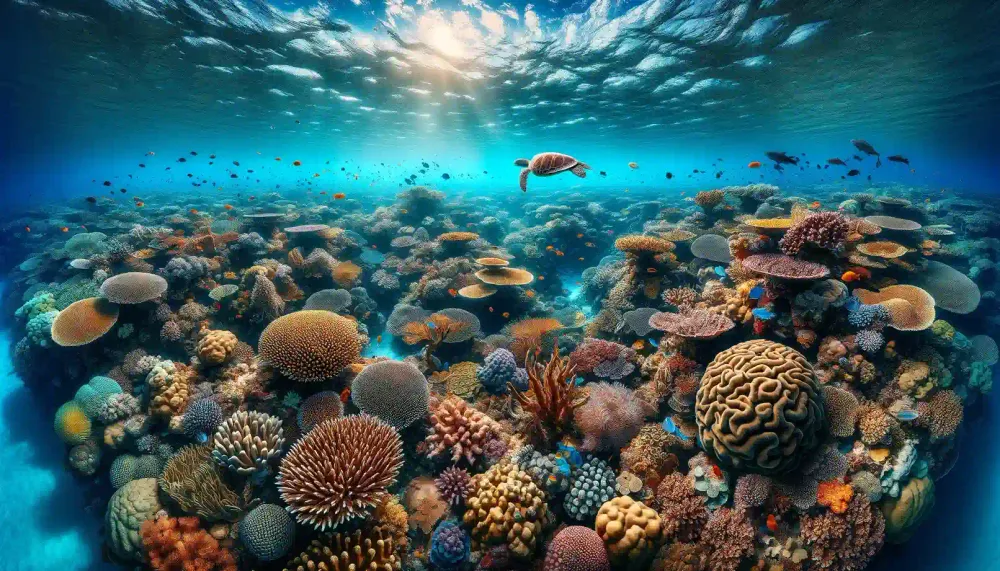
Fiji has held the title of Soft Coral Capital of the World for good reason, and anyone who has put a mask to the water here will tell you it is not marketing hyperbole. The underwater world around these islands is genuinely extraordinary — a layered, kaleidoscopic reef ecosystem with more species of coral than most divers see in a lifetime of travel. You don’t need a dive certification to access any of it. A decent mask, a snorkel, and the ability to float in warm water is sufficient to experience some of the finest marine environments in the Pacific.
Fiji sits at the fringes of the Coral Triangle — the global centre of marine biodiversity that stretches across the western Pacific — and over 400 species of coral have been recorded in Fijian waters. The soft coral gardens, particularly in the current-swept passages of the Yasawa Islands and the waters around Taveuni, are in a class of their own: dense, vibrantly coloured forests of sea fans, gorgonians, and branching coral that move in slow rhythms with the current and shelter an extraordinary density of reef fish. The warm, clear water — temperatures run between 24 and 29°C year-round — means that snorkelling here is comfortable in nothing more than a rash vest for most of the year. The conditions, the biodiversity, and the accessibility combine to make Fiji one of the world’s premier snorkelling destinations for both beginners and experienced ocean swimmers alike.
The range of snorkelling experiences on offer is broad enough to accommodate every level of confidence and every type of traveller. Families staying at resorts in the Mamanuca Islands can snorkel the house reef directly off the beach before breakfast. Experienced snorkellers making the journey to the Yasawa Islands can drift alongside manta rays in the Drawaqa Passage. Advanced underwater enthusiasts willing to travel further can explore the shallower sections of Rainbow Reef in the Somosomo Strait — one of the world’s top dive sites — or venture to Kadavu and the vast, largely undisturbed Great Astrolabe Reef. The common thread across all of it is water quality and reef health that remains, in most parts of Fiji, genuinely impressive.
What Makes Fiji’s Snorkelling Special
The short answer is: almost everything about it. But it’s worth being specific about the conditions and features that consistently set Fiji apart from other tropical snorkelling destinations.
Water temperature sits between 24 and 29°C year-round, which means snorkelling in Fiji requires no wetsuit for the vast majority of visitors. In the slightly cooler months of June through August, when the trade winds are active and sea surface temperatures drop toward the lower end of that range, a 3mm shorty wetsuit adds comfort for longer sessions — but even this is optional for most people. The warmth of the water means you can spend significantly longer in the ocean than in many other destinations, and a long morning snorkel is never cut short by the cold.
Visibility is typically exceptional. On calm days, after a settled period of weather, visibility of 20–30 metres is not unusual in the cleaner passages and outer reef sites. House reefs at busier resorts, particularly in the Mamanucas, tend toward 10–20 metres, which is still very good by global standards. Visibility drops after rain and in periods of rough weather, when suspended sediment and disturbed sand reduce clarity. The practical advice is simple: snorkel in the morning, and avoid the water during and immediately after heavy rain.
Coral diversity is the headline credential. With over 400 recorded coral species in Fijian waters — hard and soft corals, sea fans, sponges, and filter feeders — the reef structure is complex, layered, and visually extraordinary. The soft coral formations are particularly remarkable: dense thickets of orange, purple, and white soft corals colonise the current-swept passages and walls of the outer reef systems. Some of these formations, particularly around Rainbow Reef and the Yasawa passages, are among the densest soft coral concentrations on the planet.
Fish life is high in both density and diversity. Common sightings on Fijian reefs include clownfish and anemones, multiple species of surgeonfish, parrotfish, triggerfish, moray eels, lionfish, and the distinctive Napoleon wrasse — a large, blue-green fish with a characteristic hump on its forehead that frequently approaches snorkellers with apparent curiosity. Reef sharks are common at several sites (harmless, and a genuinely thrilling sighting). Eagle rays patrol the reef edges at depth. Manta rays aggregate seasonally at specific sites, most famously the Drawaqa Passage in the Yasawas. Sea turtles are common across Fiji, encountered regularly on house reefs as well as outer reef sites.
No malaria in Fiji — this is a meaningful consideration for travellers comparing tropical snorkelling destinations. Fiji is malaria-free, which means there is no restriction on time in the water from a malaria-related risk standpoint, no need for prophylaxis, and no concern about exposure during dusk swims. For those choosing between Fiji and malaria-endemic destinations in Southeast Asia or the Pacific, this is a significant practical advantage.
Fiji’s shark sanctuary, established in 2014, declared the entirety of Fijian waters a sanctuary for sharks, making commercial shark fishing illegal. The practical effect is that reef shark populations in Fiji are notably healthier than in many other reef ecosystems where they have been depleted by targeted fishing. Snorkellers at sites including Kuata Island and Beqa Lagoon regularly encounter reef sharks in good numbers — a sight that is exciting rather than alarming once you understand that reef sharks in healthy populations are not interested in snorkellers, and that their presence is a reliable indicator of overall reef health.
The Yasawa Islands — Best Snorkelling in Fiji
For snorkellers willing to make the journey — and it is worth the effort — the Yasawa Islands offer the finest underwater experiences in Fiji. The reefs here are better preserved than in the more heavily visited Mamanucas, the water clarity is outstanding, and the signature wildlife encounters are genuinely world-class.
The Drawaqa Passage, between Naviti Island and Nanuya Lailai to the north, is arguably the single best snorkelling site in the South Pacific. The channel functions as a feeding and cleaning station for oceanic manta rays, which aggregate here between May and October to feed on plankton that concentrates in the currents at the surface. The defining feature of the Drawaqa experience is that it requires no diving: mantas rise to within a metre or two of the surface to feed, circling slowly with wings spread wide, and snorkellers can drift alongside them at arm’s length in calm conditions. The scale of a manta ray encountered at the surface — wingspans routinely exceeding three metres, occasionally reaching five — is genuinely affecting in a way that photographs fail to communicate. Encounters are frequent enough during peak season (May–October) that most operators and resorts in the area offer near-daily snorkel trips to the passage. Spending at least two nights in the Naviti/Nanuya Lailai area meaningfully increases your chances of a sighting.
The Blue Lagoon area in the northern Yasawas, around the islands of Nacula and Tavewa, offers a completely different but equally rewarding snorkelling experience. The coral gardens here sit in relatively shallow water — accessible directly from the beach at some points — with exceptional visibility and an abundance of smaller reef fish. The water in the Blue Lagoon itself is extraordinarily clear and calm on settled days, its colour shifting from pale turquoise over the sandy shallows to deep blue where the bottom drops away. The photography opportunities above and below the waterline are remarkable. Several budget and mid-range properties on Nacula and Tavewa offer easy access to these reef areas.
Kuata Island, at the southern end of the Yasawa chain, is the first stop for many Bula Pass travellers and one of the most reliably exciting snorkelling sites in the islands. The reef around Kuata is home to white-tipped reef sharks and nurse sharks in shallow water — three to five metres in places — making this one of the few sites in the world where snorkellers can have a genuine, unmanaged shark encounter in open water. The sharks are habituated to human presence through the marine conservation programme run by Barefoot Kuata Resort, and encounters are common enough to feel almost guaranteed if you spend time in the water. Nurse sharks rest on the sandy bottom and are particularly easy to spot. The experience is exciting, entirely safe, and one of the more memorable things you can do in Fiji.
Getting to the Yasawas: The primary route is the Yasawa Flyer catamaran, operated by South Sea Cruises, which departs Port Denarau Marina in Nadi daily at 8:30am. Journey time to the southern Yasawas (Kuata, Waya) is roughly two to two-and-a-half hours; to the manta ray sites around Naviti/Nanuya Lailai, three to four hours; to the northern Yasawas around Nacula, four to five hours. The Bula Pass hop-on-hop-off system is the best value for island-hopping travellers. A 5-day pass costs approximately FJD $420, a 7-day pass FJD $510. Book through southseacruises.com or at the Port Denarau Marina booking office.
The Mamanuca Islands — Best for Resort Snorkellers
The Mamanuca Islands are the most accessible part of Fiji’s outer island chain — 30 to 90 minutes from Port Denarau by fast ferry — and for many visitors they represent the first, and sometimes only, snorkelling experience of the trip. The house reefs at several Mamanuca resorts are genuinely rewarding, and the combination of easy access, calm conditions, and provided equipment makes this the natural starting point for beginners and families.
South Sea Island has one of the best and most accessible house reefs in the Mamanuca group, sitting directly in front of the island in water shallow enough for beginners to feel comfortable. Snorkel gear is included with the day cruise and resort access fee, and staff are on hand to assist first-timers. The reef has good coral cover and healthy fish populations. South Sea Island is accessible via South Sea Cruises day cruise from Port Denarau — the combination of snorkelling, beach time, and lunch makes it a popular and well-organised day trip option.
Mana Island has a notably large house reef with multiple entry points, making it one of the better Mamanuca options for snorkellers who want variety in a single day. The coral quality on Mana’s reef is good, the fish life is consistent, and the island is large enough to explore by foot between snorkel sessions. Mana is accessible by fast ferry from Denarau (approximately 45 minutes) and is one of the few Mamanuca islands with both resort accommodation and day visitor facilities.
Malolo Island — home to Likuliku Lagoon Resort and Malolo Island Resort — has a well-developed fringing reef with good coral cover and strong fish life. The snorkelling here benefits from the island being slightly further from the main ferry routes, which means a little less boat traffic and somewhat better water clarity than some of the closer islands.
Castaway Island Resort (Qalito Island) has a solid house reef with accessible beach entry and is well set up for guests wanting easy, reliable snorkelling from the shore. The reef is varied enough to keep snorkellers engaged for multiple sessions.
Beachcomber Island is a popular day trip option for those based in Nadi who want a combined snorkelling and beach day without committing to island accommodation. The reef here is accessible to day visitors and the island has a lively, social atmosphere — particularly popular with backpackers.
It’s worth being honest about the Mamanuca Islands’ limitations for snorkelling: the reefs closest to the main Denarau-to-Yasawa ferry route have experienced some coral bleaching in recent years, and the heavier volume of boat traffic on this route affects water clarity at certain times of day. The further you get from the main ferry corridor, the better the reef quality tends to be. For the finest snorkelling in the Mamanucas, prioritise the islands at the outer edge of the group — Malolo Island and the Plantation Island area — over those closest to Denarau.
The Coral Coast — Accessible Snorkelling from Viti Levu
The Coral Coast runs along the southern shore of Viti Levu, stretching from roughly Sigatoka to Pacific Harbour, and is easily reached from Nadi in 45 to 90 minutes by car or transfer. The area is named for the fringing reef system that lies in front of the coastline, and while the snorkelling here requires more effort to access than at the island resorts, it rewards that effort.
Snorkelling quality along the Coral Coast varies significantly with tidal conditions. The inner lagoon in front of most Coral Coast resorts is accessible at low tide but relatively shallow and limited in terms of marine life. The real snorkelling is on the outer reef, accessible by boat — and several operators run half-day and full-day snorkel tours from Coral Coast hotels that take guests to much better reef sites than the lagoon provides. If you’re based at a Coral Coast resort, ask your accommodation about outer reef tours rather than settling for the inner lagoon.
Frigate Passage, near Pacific Harbour, is known primarily as a world-class surf break, but the reef surrounding it has excellent snorkelling at the non-surf sections. Boat access is required, and conditions vary with swell and current, but on a calm day the reef quality here is genuinely impressive.
Beqa Lagoon, accessible by boat from Pacific Harbour, is most famous for its shark diving operations — this is where Pacific Harbour’s bull shark dives take place — but the outer reef areas beyond the shark dive sites have beautiful coral gardens that are well-suited to snorkelling. The water in Beqa Lagoon is clear and warm, coral cover in the protected areas is good, and the proximity to the shark dive sites means healthy reef shark populations for those who want to encounter them on a snorkel. Several Pacific Harbour operators run snorkel-specific boat tours to Beqa Lagoon outer reef areas.
Vanua Levu and Taveuni — For Advanced Snorkellers
The northern islands of Vanua Levu and Taveuni represent Fiji’s advanced snorkelling frontier — sites that are genuinely world-class but require more planning, more travel, and more confidence in the water to access. For those who make the effort, these are among the finest reef experiences anywhere in the Pacific.
Rainbow Reef, in the Somosomo Strait between Vanua Levu and Taveuni, is consistently ranked among the top ten dive sites in the world. The reef system includes extraordinary soft coral formations, complex wall dives, and passage snorkelling with exceptional marine life density. Crucially for snorkellers, the shallower sections of Rainbow Reef — particularly the reef flats and upper sections of some wall sites — are accessible without diving equipment, and several Taveuni-based operators specifically include snorkel-accessible sections on their guided reef tours.
The Great White Wall, one of Rainbow Reef’s most famous features — a curtain of white soft coral that descends from approximately five metres to over 30 metres — has an upper section that is snorkellable on calm days at slack tide. At the right moment, floating above the top of this wall and looking down into the white coral below is one of the most extraordinary visual experiences in Fiji’s underwater world. Timing is important: the site is current-dependent, and a drift through the passage at the wrong state of tide is not recommended for snorkellers. Go with a local operator who knows the conditions.
The Taveuni and Vanua Levu sites are best suited to snorkellers who are genuinely confident in the water — comfortable with some current, experienced with ocean entries from small boats, and happy to follow an operator’s lead on conditions. The reward is proportionate to that confidence.
Getting there: Fiji Link flies from Nadi to Savusavu (on Vanua Levu) and Taveuni in approximately 45 minutes. Both destinations have established dive and snorkel operators who handle all boat logistics. Plan to stay at least three nights — the travel investment doesn’t justify a single-day itinerary, and you’ll want multiple water sessions at different sites and tidal states.
Kadavu — For Those Who Want It Remote
Kadavu, Fiji’s fourth-largest island and one of its most remote, is home to the Great Astrolabe Reef — the world’s fourth-largest barrier reef and one of the most pristine in the Pacific. Snorkelling the outer reef passes at Kadavu is an experience that is difficult to overstate: the coral is in genuinely outstanding condition, the fish life is exceptional in both density and diversity, and the absence of significant tourist traffic means you will likely have entire reef sections to yourself.
The Great Astrolabe Reef runs for roughly 100 kilometres around the southern and eastern coastlines of Kadavu, and the passes that cut through it are where the best snorkelling is concentrated. Current runs through the passes, bringing nutrients and the pelagic fish that follow them — eagle rays, barracuda, and the occasional reef shark are common sightings. The coral walls on either side of the passes are magnificent.
Kadavu is not a day trip destination — getting there requires a Fiji Link flight from Nadi (approximately 35 minutes) followed by a boat transfer to your accommodation, and the small eco-lodges that operate here handle all boat logistics for water activities. Plan a minimum of two nights; three or four nights is considerably better, giving you enough time to cover multiple reef sections and allow for any weather-related delays to the morning flights, which can occasionally be affected by low visibility.
The destination suits snorkellers and divers who specifically want minimal crowds, maximum reef quality, and a genuinely remote island experience. Kadavu’s accommodation ranges from very basic to comfortable eco-lodge, with prices typically inclusive of meals and boat-based activities. It is not the Mamanucas — it’s remote, occasionally unpredictable in terms of logistics, and demands a willingness to accept that the infrastructure is basic. The reef, however, is extraordinary.
Practical Snorkelling Tips for Fiji
Equipment: Most resorts and day cruise operators provide basic snorkel gear as part of the package. The quality varies — shared masks in particular can leak if they don’t fit your face well, which ruins the experience. Bringing your own mask is strongly recommended: even an inexpensive one bought specifically for the trip will fit better than a communal resort mask, and a good seal makes an enormous difference to the quality of what you see. Your own fins are useful but not essential — most provided fins are adequate.
Reef-safe sunscreen: This is not optional. Standard chemical sunscreens — those containing oxybenzone, octinoxate, and related compounds — are acutely harmful to coral systems, disrupting coral reproduction and accelerating bleaching. Most Fijian resorts actively ask guests to avoid them, and some enforce the requirement. Use mineral sunscreens (zinc oxide or titanium dioxide) that are certified reef-safe, or better still, minimise sunscreen use in the water altogether by wearing a long-sleeved rash vest and reef-appropriate shorts. A rash vest also provides UV protection, which matters given the intensity of tropical sun at the equatorial latitudes.
Timing: Morning snorkelling is best. Water is typically calmer before the afternoon trade winds build, boat traffic is lower, and visibility is at its peak. The period immediately following breakfast is often the window that experienced reef snorkellers prioritise. Avoid snorkelling during or after heavy rain — visibility drops markedly as suspended sediment and freshwater runoff cloud the water.
Current: Many of Fiji’s best snorkelling sites are in passages and channels where tidal current runs. Current is not something to be feared — a gentle drift snorkel is one of the most pleasurable ways to cover a reef — but a strong current running against you is exhausting and potentially dangerous. Follow the lead of your operator or resort guide on conditions, and do not attempt passage sites solo if you are not experienced with current. The rule is simple: drift with the current, not against it.
What you’ll see: Sightings vary by location but the most commonly encountered marine life on Fijian reefs includes clownfish in anemones (common everywhere), sea turtles (frequently seen on house reefs and outer reef sites), various reef shark species (harmless — watch from a respectful distance), eagle rays, lionfish, multiple parrotfish species, moray eels, giant trevally, Napoleon wrasse, and a bewildering variety of smaller reef fish. At the right time and location: manta rays (Drawaqa Passage, May–October), whale sharks (sightings have been reported, particularly around the outer Mamanucas and northern reefs, though not reliably predictable), dolphins, and on lucky days, migrating humpback whales passing through Fijian waters in winter.
Water shoes: A number of reef entries — particularly at outer reef sites reached by small boat — are made across shallow, sharp coral. Water shoes or booties protect your feet and allow you to navigate these entries confidently. Not all resorts have sandy beach entries into the reef; ask before assuming.
Best Islands for Beginner Snorkellers
These sites offer calm conditions, easy access, shallow reef, provided equipment, and staff or guides available to assist first-timers:
South Sea Island (Mamanucas) is the standout beginner choice in Fiji. The house reef is shallow, calm, and immediately accessible from the beach. Snorkel gear is provided, staff are on hand, and the day cruise format means everything is organised for you. It’s an excellent first reef experience.
Mana Island (Mamanucas) offers slightly more variety than South Sea Island — a larger reef with multiple entry points — while remaining entirely beginner-friendly in terms of conditions. The calm lagoon on the leeward side of the island is particularly suitable for those who are new to snorkelling or not entirely confident in deeper water.
Waya Island (southern Yasawas) has calm, sheltered bays with accessible fringing reef, good fish life, and the easy-going atmosphere of Yasawa budget accommodation. For those willing to make the Yasawa Flyer journey, Waya offers a step up in reef quality from the Mamanucas while remaining genuinely manageable for beginners.
Nacula Island (northern Yasawas) — the Blue Lagoon area is calm, clear, and shallow over the reef flat, making it one of the most visually impressive and accessible snorkel sites for beginners. The visibility in the Blue Lagoon on a calm day is extraordinary, and the relaxed pace of northern Yasawa island life means there’s no pressure to rush through water sessions.
Best Islands for Experienced Snorkellers
For those who are confident in the water, comfortable with current, and want to access Fiji’s most exceptional underwater environments:
Drawaqa Island / Naviti Passage (Yasawas) is the pinnacle of Fijian snorkelling for most people who’ve done it. The manta ray encounters in the Drawaqa Passage during May to October are genuinely bucket-list level — these are wild, unmanaged encounters with large oceanic mantas in open water at the surface. Nothing else in Fiji compares for sheer impact.
Taveuni / Somosomo Strait — the shallower sections of Rainbow Reef, accessed with a local operator, represent some of the finest snorkelling in the Pacific. The soft coral density and fish life are extraordinary, and an experienced snorkeller comfortable with drift conditions will find this as rewarding as anything in the region.
Kadavu / Great Astrolabe Reef — remote, pristine, and magnificent. The outer reef passes at Kadavu are among the most unspoilt reef environments accessible to snorkellers anywhere in the Pacific. For those willing to make the journey and stay at least a few nights, the Great Astrolabe Reef passes are Fiji’s most impressive and least visited snorkelling.
Beqa Lagoon outer reef (Pacific Harbour) — beyond the shark dive sites, the outer reef areas of Beqa Lagoon have beautiful, complex coral gardens with outstanding fish life. Reef sharks are abundant and closely approachable in a way that feels genuinely extraordinary.
Final Thoughts
Fiji delivers on its underwater reputation. The range of snorkelling experiences — from easy house reefs at Mamanuca resorts to the manta passages of the Yasawas to the remote grandeur of Kadavu’s barrier reef — means there is genuinely something at every level of experience and accessibility. Pick your island based on how far you want to travel and how much you want to see, and you will not be disappointed.
What makes Fiji’s snorkelling special is not one single site but the accumulated quality of the whole: the warm, clear water that is inviting year-round, the extraordinary coral diversity that rewards close attention, the healthy reef shark and manta ray populations that are the result of genuine conservation effort, and the sheer variety of environments available within a relatively compact geographic area. Beginners snorkelling a Mamanuca house reef for the first time and experienced ocean swimmers drifting the passages of Rainbow Reef are having different experiences in terms of intensity and complexity, but both are having a genuinely exceptional one. In few other places does the underwater world offer so much, so accessibly, to so many different types of visitor.
Frequently Asked Questions
Where is the best snorkelling in Fiji?
The Drawaqa Passage in the Yasawa Islands — between Naviti and Nanuya Lailai — is widely regarded as Fiji’s best snorkelling site, primarily for the manta ray encounters that are reliably available from May to October. For overall reef quality, Rainbow Reef in the Somosomo Strait near Taveuni and the Great Astrolabe Reef at Kadavu are world-class. For accessible beginners’ snorkelling, the house reefs at South Sea Island and Mana Island in the Mamanucas are excellent starting points.
Do you need to be a good swimmer to snorkel in Fiji?
You don’t need to be a strong swimmer, but you should be comfortable in the water. Most beginner-friendly snorkel sites in the Mamanucas — South Sea Island, Mana Island — are in calm, shallow conditions with staff available to assist. A basic ability to float comfortably and breathe through a snorkel is sufficient for house reef snorkelling. Sites like the Drawaqa Passage and Rainbow Reef require more water confidence, as they involve some current and are accessed from small boats in open water conditions. Operators at these sites will assess conditions and advise accordingly.
Are there sharks in Fiji’s snorkelling areas?
Yes — and honestly, this is one of Fiji’s great assets. Fijian waters are home to healthy populations of white-tipped and black-tipped reef sharks, which are regularly encountered at snorkel sites including Kuata Island (Yasawas), Beqa Lagoon, and various outer reef sites. Reef sharks in healthy, unfished reef systems are not interested in snorkellers and pose no realistic threat. Encounters are exciting and are widely regarded as a highlight of snorkelling in Fiji rather than a concern. Fiji’s shark sanctuary, established in 2014, is the reason these populations remain healthy. Follow the usual guidance — don’t chase or touch the sharks, and move calmly in the water — and encounters are universally positive.
What is the best time of year for snorkelling in Fiji?
Snorkelling is good in Fiji year-round, but the dry season from May to October offers the best overall conditions — calmer seas, better visibility, and more reliably settled weather. June through August is peak season, with optimal conditions but higher prices and more advance booking required for accommodation and the Yasawa Flyer. The wet season (November to April) brings warmer water temperatures and lower prices, but reduced visibility after rain and occasional rough seas. If manta rays are the priority, plan specifically for May to October at the Drawaqa Passage.
Can you see manta rays snorkelling in Fiji?
Yes — and uniquely so. The Drawaqa Passage in the Yasawa Islands is one of a small number of places in the world where oceanic manta rays can be reliably encountered by snorkellers (rather than divers) at the surface. Mantas feed on plankton at the surface in the passage from May to October, circling slowly with their wings fully extended. No diving is required — a mask and snorkel is all you need. Resorts and operators based around Naviti Island and Nanuya Lailai run regular snorkel trips to the passage during manta season. Outside this window, sightings are possible but not reliable.
By: Sarika Nand